Dental crowns are among the most common types of restorative treatments dentists provide. A crown has many uses and benefits. Not only can it restore the aesthetics of your smile, but it relieves pain, protects a damaged tooth, and prevents further problems from occurring to weak teeth. The process of getting a crown can require a few visits, but the results can last for years. There are some important steps you should follow to take care of it.
Reasons to get dental crowns
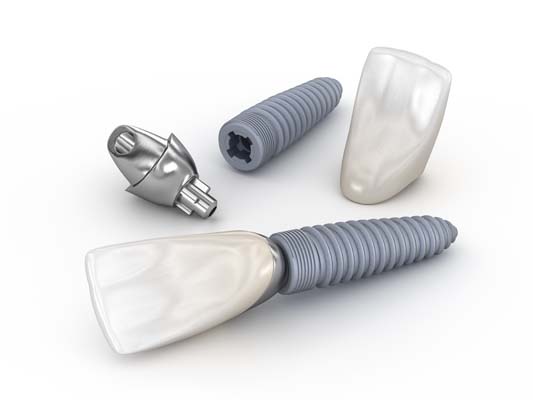
Crowns are not the right option in every situation, but this treatment makes sense for many conditions. The dentist might recommend a crown when a cavity is too large for a filling to support. Crowns usually cover a tooth after a root canal procedure as well. The dentist can place a crown over a broken, chipped, or cracked tooth. A crown also completes the process of getting dental implants.
Crowns are natural-looking in size, shape, and color. Usually, they are made of ceramic, porcelain, or composite resin. Crowns are durable and have a strong bite force. By having crowns, the patient should be able to chew effectively and have a full smile.
Be wary of certain types of food
People who have severely decayed or damaged teeth will have difficulty eating. Dental crowns restore this ability and let the person eat most foods. However, a person with a crown should cut down on some items. Hard foods such as some kinds of candy, popcorn kernels, ice, and bones can break a crown. Sticky foods such as taffy, caramel, and gum can pull a crown out. It is especially important to avoid these foods in the few days and weeks after getting a crown.
Do not forget about good oral hygiene
Having dental crowns does not preclude a person from having to brush and floss. It is still vital to keep up with these daily habits to maintain strong, effective crowns. Neglecting twice-a-day brushing and everyday flossing can lead to decay and gum disease around the crown, threatening the tooth underneath. This can also cause the crown itself to deteriorate or fall out.
Keep coming to the dentist’s office
Regular dental appointments should not stop or slow down after getting dental crowns. The dentist will want to follow up and see how well the crowns are performing. Checkups every six months allow the dentist to clean the crown and the teeth around it. If the patient detects that the crowns are coming loose or have any damage, a prompt visit is necessary. The patient should also call the dentist if they feel any pain while biting down or chewing.
Get the most out of your treatment
Having dental crowns can treat serious oral health conditions. Crowns also make a smile more attractive if you have damaged teeth. Your crowns can be more effective and last longer when you follow these guidelines and pay close attention to good maintenance. Your dentist can also give you some helpful tips to increase the longevity of your crowns.
Request an appointment here: https://www.northroadfamilydental.com or call North Road Family Dental at (770) 284-9171 for an appointment in our Snellville office.
Check out what others are saying about our dental services on Yelp: Dental Crowns and Dental Bridges in Snellville, GA.
Recent Posts
Dentists commonly recommend dental crowns to protect teeth that have become structurally damaged due to a variety of problems, including severe cavities, infection, and other forms of tooth decay. The application of dental crowns is one of the most widespread dental procedures, so it is important for patients to understand how long they should be…
When there are issues with the teeth, a dentist performs a variety of procedures to treat them, and one is the placement of dental crowns. A crown is a cap that looks like a tooth, and it covers an existing tooth to restore function. A crown protects a tooth and prevents further issues from occurring. A…
Have you recently chipped a tooth? Read on to learn what to do after chipping a tooth. Several factors may lead to a chipped tooth, including decay and, more often, impact. This may be caused by physical activity, auto accidents, or even consuming hard foods. Even with healthy teeth, chips are occasionally inevitable. If you…
A chipped tooth can occur in several different ways. This damage can also come in many levels of severity. Some chips are visible, while others may be hidden in the back of the mouth. Regardless of what the damage to your tooth looks like, it is vital to visit your dentist for an examination. Your…